What to Clear Before Treating a Cockroach Problem
Cockroach control advice often starts with a product choice, but the room itself can decide whether that choice works. Roaches hide in tight spaces, feed on scraps, and move between nests through wall gaps and shared utility lines. Clearing the right items first makes treatment more direct and helps reveal where the problem is coming from. It also reduces the chance that a product is placed where people, pets, or food will contact it.
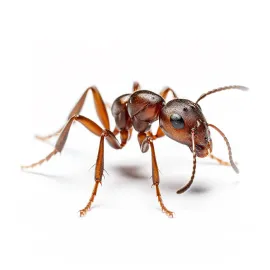
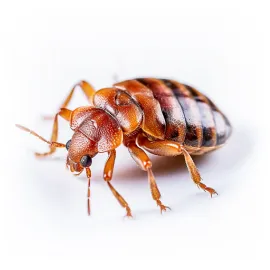
Before clearing anything, try to identify what kind of cockroach is present. Size, colour, shape, and where the insects are seen can point to different habits. A small roach seen near drains may suggest one pattern, while a larger roach found in a basement or garage may suggest another. Pest Agent provides pest advice and recommended products for household pest problems, and the Pest Agent cockroach identification guide can help a reader compare what they are seeing before choosing a treatment approach.
Clutter that gives roaches cover
Start with loose items that create hiding places. Roaches do not need a large space. They can shelter behind stacked paper, inside cardboard folds, under baskets, and between items pushed against a wall. The goal is not to make the home look perfect. It is to remove the small, dark spaces that let insects remain close to food and water.
- Cardboard boxes and paper stacks: Cardboard absorbs moisture and offers many layered hiding spots. Flatten what can be recycled, and move the rest off the floor.
- Bags, bins, and baskets: Empty them before treatment, especially if they hold food wrappers, pet items, or damp cloth. A bin with a tight lid is less useful if crumbs sit underneath it.
- Clothes, towels, and linens on the floor: Launder what can be laundered, then store it dry. Fabric piles can hold moisture and hide droppings.
- Unused appliances and equipment: Small appliances near counters can create warm, shaded gaps. Move them only if they are cool and safe to handle, and clean beneath them.
- Stacked books, magazines, and plastic containers: Break up the stack and leave air between items. Roaches often travel through these narrow channels unnoticed.
Work room by room rather than pulling everything out at once. A kitchen or bathroom usually matters most because moisture and food residues are present. After clearing, look at the surfaces that were covered. Dark specks, shed skins, egg cases, and a musty odour can all help show where activity is concentrated.
Food sources that keep the problem alive
Treatment has a poor chance of holding when food remains easy to reach. Cockroaches feed on more than obvious scraps. They also eat grease films, crumbs inside appliance gaps, pet food left out overnight, and residue under lids or around seals. Removing these sources does not replace treatment, but it makes the space less supportive of a continuing population.
Clear counters, sweep floors, and wipe sticky areas before placing any product. Check the underside of cabinets, the backsplash edge, the space under the sink, and the area behind the stove where safe access is possible. Does not move a stove or heavy appliance if it could tip, strain the body, or damage a connection. If a gas appliance or utility connection is involved, leave that work to a qualified professional.

Pet bowls should be emptied after feeding rather than left available all day. Dry food can go into a sealed container, and the container should be wiped underneath. Bird seed and pet bedding can attract insects too, so keep those areas as clean as the kitchen. In a pantry, inspect opened packages and discard anything contaminated. Food that cannot be sealed should not sit beside an open wall gap or under a sink.
Trash needs the same attention. A lined bin helps, but the lid and the floor around it matter just as much. Wipe the inside rim where residue collects, and keep the bin away from cabinets if the area is hard to clean. Outdoor bins should not lean against the wall beside a door, since roaches can move from the bin into the entryway.
Water and damp material
Cockroaches can survive without food longer than they can without water, so moisture is a major part of the problem. A slow drip under a sink, condensation on a pipe, or a damp towel in a corner can support insects even when the kitchen looks clean. Drying the area is a practical step before treatment because it removes one of the reasons roaches settle there.
Fix obvious leaks where the source is simple and accessible, such as a loose hose under a sink or a faucet drip. For anything involving mains water connections, hidden pipework, mains electricity, or a sealed appliance, a qualified professional should handle the repair. A visible sign, such as a swollen cabinet base, staining, or persistent dampness, is a reason to stop and have the source checked rather than treating the symptom.
Remove wet cloth, empty buckets, and dry exposed floor edges. Bathroom mats should be laundered and fully dried before being put back. A bathroom fan that leaves moisture hanging in the room can contribute to the issue, though the fix may involve wiring or ventilation work beyond a simple household task. In that case, the safe response is to note the signs and arrange proper service.
Entry points and hidden travel routes
Even a well cleaned room can be recolonised if roaches are entering from somewhere else. Look for gaps around pipes, loose baseboards, cracks in wall corners, and openings around door frames. These places may not show insects during the day, but they can explain why activity returns after a treatment.
Seal small, dry gaps with a suitable filler once the area is clean and inspected. Do not block ventilation openings, and do not seal around a heat source or electrical fitting. Where a gap is large, or where it surrounds a service line, it is better to have the opening assessed than to pack it tightly by hand. Shared walls in apartments and attached homes can make entry routes harder to control, so keeping interior spaces clean becomes even more useful.
Check items brought into the home as well. Returned shopping bags, delivery boxes, secondhand furniture, and luggage can carry insects or egg cases. Shake out bags outdoors, break down boxes quickly, and inspect secondhand items before placing them in a quiet room. This is a small habit, but it can prevent a fresh introduction after the main area has been treated.
Items that should move out of the treatment area
Some items need to be removed because they can be contaminated, can interfere with placement, or can expose others to a product. Food, dishes, utensils, baby feeding items, and uncovered drinking glasses should leave the room before any product is used. Pet bowls, litter trays, and pet bedding should also be moved, then returned only when the treated area is ready according to the product directions.
Medicines, cosmetics, and loose supplements should be put away. These items are easy to overlook on a bathroom counter or bedside table, yet they are not things that should sit near a treatment zone. Clear plastic bags and loose paperwork can also be moved, since they may pick up residue and are hard to wipe clean.
For larger furniture, judgment matters. A sofa with deep folds may need clearing around the base rather than moving the entire piece. A dining table can stay if the surface is clean and chairs are pulled away. Heavy items should not be dragged across floors or lifted by someone who cannot do so safely. If there is a risk of damage or injury, leave the item in place and clean around it.
What to do with what you find
Clearing often reveals signs that change the plan. A few roaches in one kitchen may point to food and moisture. Repeated sightings in several rooms may point to a larger harbour area or ongoing entry. The Pest Agent cockroach identification guide can be useful again at this stage, because the insect found after clearing may differ from the one first noticed in a dim hallway or drain area.
Droppings and egg cases should be removed with care. Wipe hard surfaces after mechanical removal, and dispose of contaminated paper or cardboard in a sealed bag. Avoid sweeping dry droppings into the air where people will breathe them in. If the space has heavy contamination, strong odour, or insects emerging in large numbers during the day, household tidying may not be enough. Pest Agent provides pest advice, ranked local exterminator comparisons, and recommended products for handling household pest problems, so a reader can compare options before deciding how far the response should go.
The best preparation is not aggressive cleaning for its own sake. It is a clear view of where roaches can hide, feed, drink, and enter. Once those points are visible, treatment can be aimed at the right areas, and the results are easier to judge. A calm, room by room pass is enough for most homes: remove cover, remove food and water, protect personal items, seal simple gaps, and leave complex repairs to a qualified professional.
 Facebook
 Instagram
 YouTube